Photorealism:
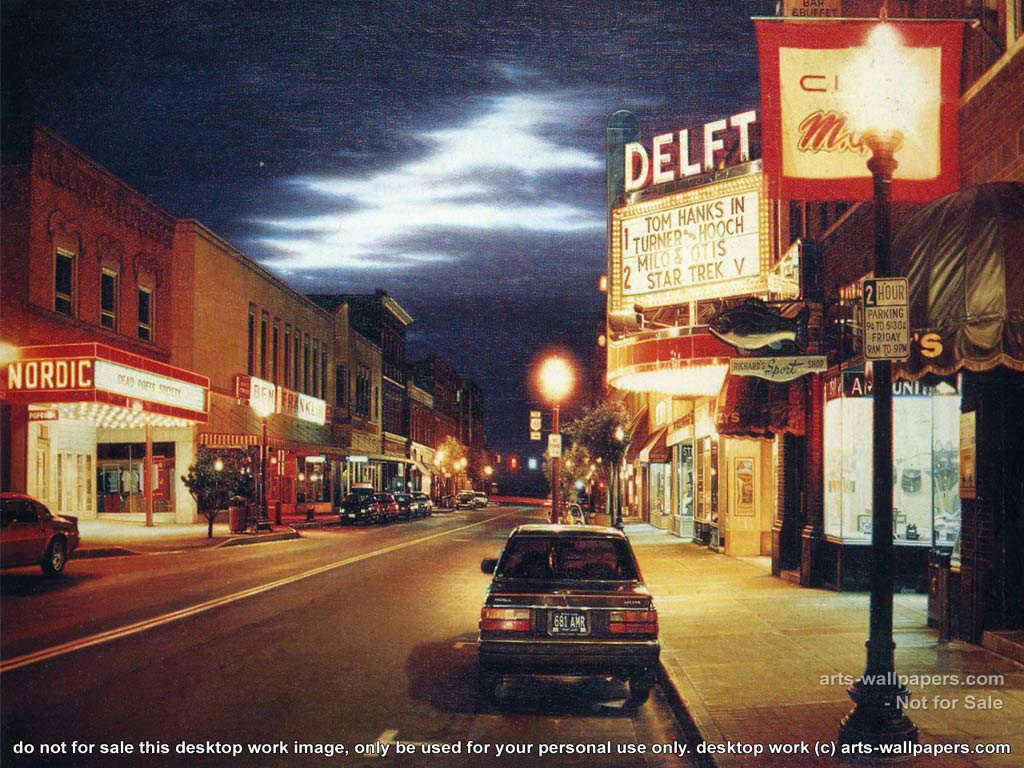
Photo-realism, also called Super-realism, American art movement that began in the 1960s, taking photography as its inspiration. Photo-realist painters created highly illusionistic images that referred not to nature but to the reproduced image. Artists such as Richard Estes, Ralph Goings, Audrey Flack, Robert Bechtle, and Chuck Close attempted to reproduce what the camera could record. Several sculptors, including the Americans Duane Hanson and John De Andrea, were also associated with this movement. Like the painters, who relied on photographs, the sculptors cast from live models and thereby achieved a simulated reality.This is an example of photorealism.

http://wololo.net/wagic/wp-content/uploads/2013/06/photorealism.jpg
Cell Shading:
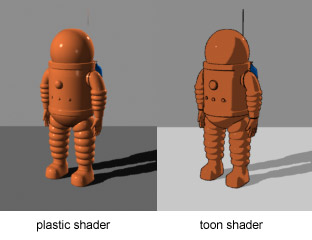
Cel shading (often misspelled as 'cell shading') or toon shading is a type of non-photorealistic rendering designed to make 3-D computer graphics appear to be flat. Cel-shading is often used to mimic the style of a comic book or cartoon. It is somewhat recent, appearing from around the beginning of the twenty-first century. The name comes from cels (short for celluloid), the clear sheets of acetate which are painted on for use in traditional 2D animation.

Abstraction:
Abstract art style employs lines and geometric shapes that are not meant to resemble anything in particular. Geometry Wars and Breakout are two well-known examples.
Early game developers often chose abstract visuals, because real objects could only be crudely translated into game graphics at the time; this was especially true prior to the release of the NES, on consoles such as the Atari 2600. Some games were given context in the manual or marketing that the game alone could not convey, such as Yars' Revenge or Raiders of the Lost Ark. Without this external context, both games would be considered graphically abstract. With it, however, they must be seen as heavily stylized or primitive.

Exaggeration:
Several video games elicit childlike and playful experiences that involve exaggerated movements and expressions. Various exaggerated features such as character movements, expressions and actions, provide viewers and players senses of comedy, possibility and nostalgia. These exaggerations reflect elements of expressionism, theatre acting and animation and are readapted into the game culture, which exemplify Sergei Eisenstein ‘s notion of Plasmaticness, the freedom to assume any form; freedom from ossification.
Video games such as Wario Ware and Rayman Raving Rabbids exemplify cute caricatures with exaggerated expressions and actions and engage players’ participation and movements. For example, the rabbits in Rayman Raving Rabbids all posses abnormally large mouths with two big front teeth and also exhibit childlike expressions of naivety and mischievousness. When the player character is in direct or indirect physical contact with the rabbits, they scream in an adorable way that produces giggles and laughter in users and viewers. These sound effects and movements encourage players to continue their actions that induce these sounds. Not only the expressions, but also the actions that are asked of the players to act on the characters are also exaggerated. In Wario Ware, for example, players are often asked to do some exaggerated movements to get the characters on the screen to do the same movements: whether it is the speed with which someone run or dramatic waves that fan the monster away. These movements create a sense of limitlessness in which everything seems to be possible.




No comments:
Post a Comment